Using Biometrics for Secure Transactions: What You Need to Know
Biometric identification is often rapid and highly convenient. It offers greater robust security compared to the long-established payment system verification methods involving physical cards or passwords, whether you use smartphones to authenticate them prior to making a payment or using other forms of verification technology. Across the growing world of digitalization, biometric payments are on the fast track to becoming a future standard. At Jortty, we will help you understand more about its online safety tips.
What Are Biometric Payments?
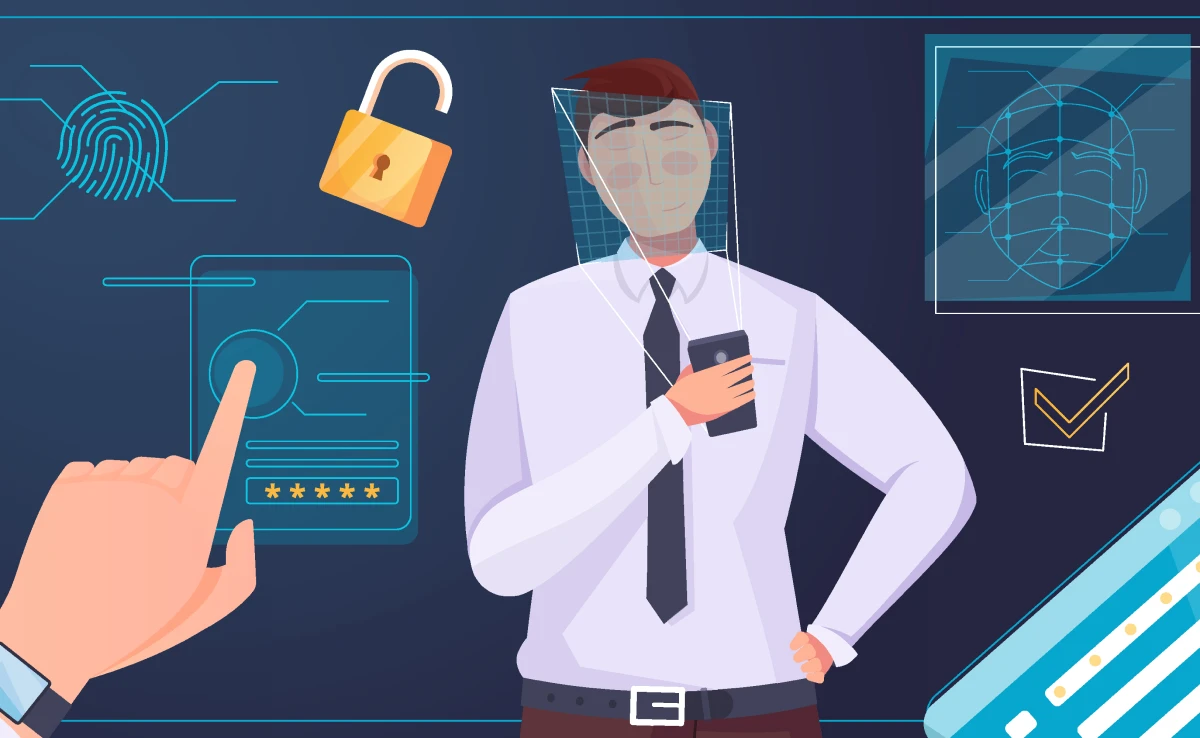
Biometric payments use the unique biological features of individuals like face, fingerprint, eyes, face, or voice to authenticate their identities in financial transactions. Authenticating the identification of a person in this mode would mitigate the risks of scams and build greater confidence in consumers in terms of making transactions while offering a convenient and quick payment process with the best internet safety tips.
Different Types of Biometric Payments
There are various forms of biometric payments for cybersecurity, including:
Fingerprint Recognition: It is the most common form of biometric payment as it involves scanning as well as matching the distinctive patterns on the fingertips of a person or fingertips, authenticating their identity while authorizing a transaction.
Facial Recognition: Initially popularized as the Face ID of Apple, this method is rapidly catching up to the fame of fingerprint recognition. It operates with the use of infrared light scanning the face of a person while targeting thousands of dots, making up their distinctive facial structure.
Iris or Retina Recognition: It captures the intricate patterns within the retina or iris as the method offers a greater level of accuracy towards authenticating the users who have long been relieved of the high-security spaces.
Voice Recognition: The method would evaluate the nuances of the speech patterns and voice features while comparing the voiceprint for registered samples certifying a match.
Vein Patterns: It uses near-infrared light that centers on the finger or palm with the technology analyzing the pattern of the visible blood vessels that remains unique to every person.
Signature Recognition: It is a less common process that scans and digitizes the signature of a person, placing it through the shape-identifying algorithms verifying their identity.
How Do Biometric Payments Work?
Two primary hardware setups enable biometric payments to work. The first and most widespread scenario uses the built-in hardware on the customer’s smart device or smartphone to authenticate their identity using facial recognition or a fingerprint scanner. This is mainly common with mobile wallets, which authenticate the person before enabling them to carry out contactless payment.
The other scenario uses the unique payment system hardware verifying the person using biometrics. The instances here include the HD cameras located in retail outlets or the recent development of fingerprint scanning chips that get embedded in credit cards.
There are normally three stages involved in the payment process:
1. Registration: A user will register their biometric data into their database, linking it with their identities. It indicates that it captures the fingerprint, voice, iris, or face while connecting that information with their profile in a database.
2. Authentication: Whenever initiating a transaction, the user presents their biometric credentials, which are then compared with the data registered to verify their identity.
3. Authorization: After the completion of an authentication, the payment system approves this transaction, enabling the user to complete the payment processes securely.
Advantages of Biometric Payments
There are three primary perks of using biometric payments: its implementation is hassle- and time-saving for consumers and the clear pick for businesses planning to look forward.
Enhanced Security: Biometric identifiers stay distinctive to every individual and never get stolen or replicated, offering a strong authentication mechanism. Users’ data is often encrypted and stored on secure servers instead of third-party databases, which are often tough to monitor or regulate.
Convenience: Users often access their accounts while authorizing transactions with a simple scan instead of setting up and memorizing PINs and passwords with biometric authentication.
Speed: Biometric payments can make the checkout process quicker and more intuitive, allowing rapid transactions, greater customer satisfaction, and enhanced functional efficiency for businesses.
The Future of Biometric Payments
Biometric payments often offer a convenient, secure, and seamless way for consumers to carry out their financial transactions with techtionary. The growing trends in biometric payments reshape the entire space for digital payments and set the path for a future where conventional payment modes would become obsolete. Along with face and palm identifications, the other best possibility here is the integration of the embedded payment chips that get implanted in the credit cards.
These miniature chips offer the best futuristic solution, combining security with convenience. Although still in the experimental stages, the effectiveness of these embedded payment chips is attracting greater interest among growing financial or technological companies.
Conclusion
The growth of biometric payments is to create an integral shift in the world of financial transactions that uses the singular physical traits of individuals, offering a better blend of speed, security, and convenience. While businesses are adjusting to the complexities of the growing digital marketplace with the integration of biometric payment methods is to prove a clear solution for staying relevant and catering to the growing expectations of consumers.
Recommend Blogs
Why Instant Tech Support is Becoming Essential
There are no other organizations these days that strive without the touch of technology. No more have to deal with the traditional office spaces with heaps and piles of paperwork, the addition of machines, envelopes, and the reliable older landline. However, the in-person meetings and…
Identifying and Avoiding Phishing Scams in Online Banking
A business will often have to rake in more than what it spends to make money, and this is true even when the business is criminal. It takes a lot of coding and research to create a new strain of ransomware or a new data-stealing…
The Importance of Multi-Factor Authentication in Online Security
Multi-factor authentication, also known as MFA, is the multi-step process to login into an account that needs the users to enter more information along with the password. For instance, after using a password, the user might get the prompt to enter a code that is…