
As digital space is getting embedded in our daily lives, the same is true as they hold a huge space in a child’s life. They offer children infinite ways to play, learn, and connect with the world out there. Sadly, there are scammers who have also adapted to such digital spaces using advanced technology to trick kids. Approaches they adapt include realistic conversations, fake identities, and techniques involving emotional manipulation.
Modern online scams are no longer predictable. Extremely convincing messages, cloned voices, and automated interactions are things that make it tougher for young users to identify dangers online. Rising awareness around the use of AI scam detection tools like Jortty highlights the evolving needs for stronger digital protection as online threats targeting kids are advancing.
How Online Scams Are Turning Extremely Vulnerable
Online scams earlier often relied on suspicious emails, grammar, and obvious fake profiles. This has changed the entire game of AI.
Modern AI tools offer:
- Generating human-based conversations immediately
- Mimicking voices and faces in a more convincing way
- Creating fake images or videos
- Personalizing scams using online data
- Automating conversations across social and gaming apps
Scammers are now adapting advanced techniques mainly through AI-generated emails that appear realistic, emotionally persuasive, and extremely personalized. This makes children and even adults struggle to recognize dangerous online interactions before any damage happens.
Common Tactics Scammers Use to Target Children Online
Let us explore some of the common ways that scammers use AI for targeting children.
AI-Powered Fake Friendships
Fake profiles created out of AI often appear cordial, relatable, and reliable. This enables the scammers to slowly manipulate kids through emotional conversations that appear authentic. Most instances also highlight the common privacy risks in children across AI platforms. It is because young users often share their personal details without understanding how these details can be exploited later.
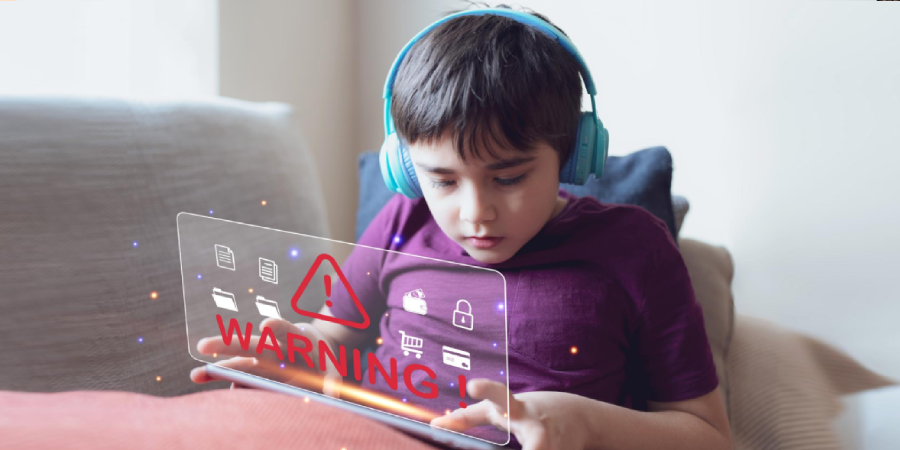
Scammers often use AI-generated profiles across:
- Gaming platforms
- Social media apps
- Chat forums
- Messaging apps
Such online bots often hold realistic conversations, recall personal data, and gradually build trust.
Online trust is further established where the scammers might:
- Ask for personal information
- Request photos or videos
- Encourage secret conversations
- Manipulate children emotionally
- Introduce financial scams or blackmail attempts
Since AI often responds promptly and almost realistically, kids will fail to understand that they are speaking to a fake account.
Deepfake Videos and Voice Cloning
Deepfake technology has paved paths to online deception in the most convincing manner since scammers today imitate voices, faces, and emotional expressions with high accuracy. Both educators and parents worry about phishing scams that are often connected to fake emergency calls, impersonation tactics, and manipulated videos. These are all designed to push kids or family members into taking prompt actions.
Scammers frequently use:
- Videos from TikTok or YouTube
- Voice clips from social media
- Gaming livestream recordings
So, for creating fake audio or video messages that sound like a parent, a child, or a friend.
Examples include:
- A fake call that pretends to be a parent in danger
- A cloned voice of kids asking for money from grandparents
- Fake celebrity influencers who promote scams to kids
Such deepfake scams are increasingly advancing and are emotionally manipulative.
Scams Inside Online Games
The entire online gaming dynamics can help in creating ideal possibilities for scammers since kids often rely on their fellow players. Also, they engage in fast-paced conversations without verifying identities. Growing discussions around ways to avoid phishing scams on social media also strongly apply to gaming communities. This is where fake rewards, suspicious links, and account theft attempts are increasingly common.

AI bots are increasingly being used across games to:
- Offering fake rewards for free in-game currency
- Sharing malicious links
- Tricking kids into revealing passwords
- Encouraging downloads containing malware
Popular gaming ecosystems are increasingly turning risky since kids often rely on fellow players.
Scammers further exploit excitement and emergency as they promise:
- Exclusive skins
- Rare items
- Tournament access
- “Free” upgrades
However, in reality, such offers are designed for stealing account credentials or payment details.
Personalized Phishing Attacks
Phishing campaigns operating through AI have become extremely dangerous since scammers today evaluate online behavior, creating extremely customized messages. Growing concerns about the impact of AI on childhood stem from how effortlessly young users are emotionally influenced by personalized digital manipulation.
Instead of any generic spam emails, kids often receive messages that refer to:
- Their favorite games
- Their school
- Their hobbies
- Their social media activity
- Their online friends
Since the messages appear relevant and familiar, kids are more likely to click on vulnerable links or share critical details.
AI-generated phishing can appear through:
- Discord
- Instagram DMs
- Snapchat
- Gaming chats
- Text messages
Inappropriate Content
Any harmful content has increasingly become tough to identify since manipulated images and videos appear too realistic to young users. Emotional pressure, online coercion, and digital exploitation tactics can seriously disrupt a kid’s confidence, mental wellness, and long-term safety awareness.
This includes:
- Fake images
- Altered photos
- AI-generated influencers
- Manipulated videos
Kids are often pressured into sharing their private content or participating in harmful interactions without knowledge of the risks involved.
Warning Signs Parents Should Watch For
Kids often fail to identify when they are getting manipulated online. Both parents and guardians should keep a close watch for warning signs, including:
- Sudden secrecy around devices
- Emotional distress after being online
- Unknown online “friends”
- Requests for money or gift cards
- Unusual app downloads
- Password changes
- Excessive gaming or messaging activity
- Fear of discussing online interactions
Open communication is the key. Kids should feel safe while reporting any suspicious behavior without the fear of getting punished.
Final Thoughts
Since the world today is driven by artificial intelligence, it is paving new paths for scammers to use new tools to target users at risk, mainly kids. This is where tech concierge services such as Jorrty can help.
By simplifying technology, offering expert digital guidance, and helping families navigate online risks safely, Jorrty empowers users to stay protected in an increasingly AI-driven world. Contact us today and take the first step toward safer digital experiences for your children!
Frequently Asked Questions
Why are children more vulnerable to online scams?
Children often trust digital interactions easily and lack experience in recognizing manipulative online behavior or hidden cyber threats.
Can scammers use children’s photos for fake accounts?
Publicly shared photos can be misused for impersonation, fake profiles, or manipulated content targeting vulnerable users.
Which online platforms are most commonly targeted by scammers?
Gaming apps, social media platforms, messaging services, and video-sharing websites frequently attract online scammers targeting children.