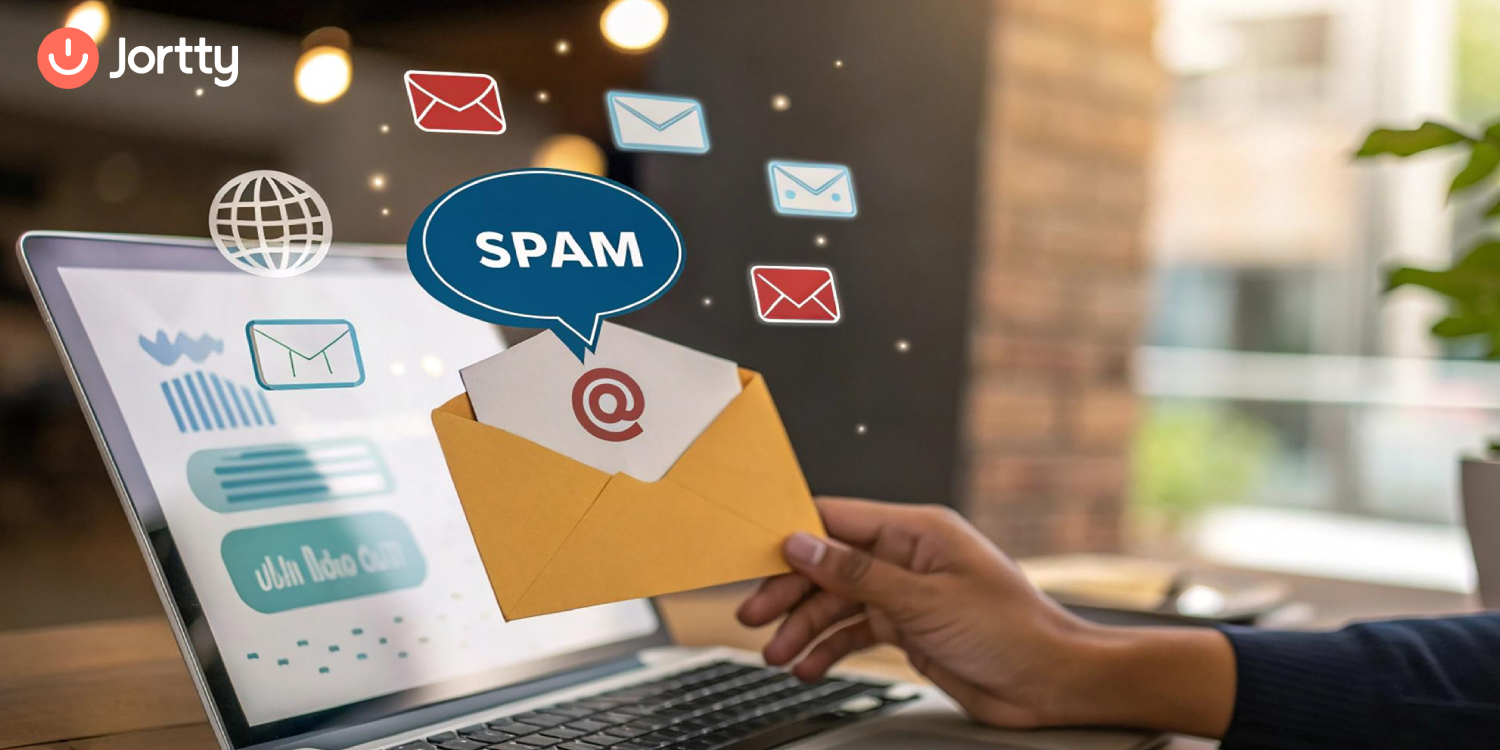
Speaking of scam emails, not all of them follow the same pattern. So, having a clear idea of how to identify the patterns is extremely important. A fake message written to trick a firm’s finance team relies on different psychology than one sent to someone checking their personal inbox at home.
Both business and personal email scams fall under a broader label commonly called an “email scam.” However, the techniques, targets, and possible outcomes can differ. So it’s a mistake to assume they are the same, which can make people overlook common warning signs. That’s where AI scam-detection tools come in, since threats move faster than a person can detect manually.
How Business and Personal Inboxes Create Different Risks
Business and personal email scams may look identical, but the settings they exploit are different. A company inbox includes several people, approval chains, and financial systems. A personal inbox typically involves only a single person who can make a quick decision.
A couple of structural gaps define the reasons why such scams would need a different defense system:
- Business inboxes involve several decision-makers
- Personal inboxes depend on individual judgment only
- Business scams often bypass approval processes
- Personal scams will exploit urgent or emotional requests
Following the same fundamental preventive approaches can help to avoid both scam types. However, businesses often require additional controls, since a compromised account can expose a company’s financial status and other client or employee data.
Recent data from the FBI’s Internet Crime Complaint Center shows that business email compromise resulted in over $3 billion in losses in 2025. This figure highlights one of the most expensive categories of cybercrime the agency tracks annually.
Primary Differences Between Business and Personal Email Scams
A quick look at how both scam types operate reveals a pattern that’s easy to miss when they’re treated as a single incident.
Who These Scams Actually Target
Business scams primarily target employees with financial authority. Personal scams mainly target individuals directly, irrespective of their position or role.
Typical Targets Include:
- Finance and accounts payable staff
- Executives with wire transfer authority
- HR staff handling sensitive employee data
- Everyday individuals checking personal email
How to Stay Protected
Understanding who in the company is most likely to be targeted can help direct security training where it matters most. Training every employee to identify a phishing email is one of the easiest and most effective defenses available.
How Each Scam Type Manipulates Victims
Business scams generally impersonate a reliable executive or a vendor. Personal scams depend on urgency, curiosity, or fear to take immediate action.
Business Scams
- Fake CEO asking for a wire transfer
- Vendor payment redirection
- Fake invoice
- Payroll/direct-deposit change request
- Executive impersonation
Personal Scams
- Fake bank alert
- Account suspension
- Delivery notification
- Tax/refund scam
- Fake friend or family member
- Prize/lottery scam
How to Stay Protected
Recognizing these tactic patterns makes it considerably easier to pause and verify before acting on an unexpected request.
What’s Really at Stake Financially
The potential financial impact varies widely in both categories. A business scam can redirect a large corporate payment, while a personal scam can drain savings or compromise financial accounts.
Typical Financial Outcomes Include:
- Huge wire transfers redirected to fraudsters
- Considerable employee data exposed or stolen in bulk
- Meager losses across individual accounts
- Identity theft impacting personal finances
How to Stay Protected
Understanding the potential loss both companies and people can face helps them learn where additional verification steps matter most. Therefore, protecting accounts from phishing attempts can prevent this exposure, regardless of the size of possible losses.
How Detection Differs Between the Two
Business email security depends on detection systems across layers and departments. People mostly rely on their own judgment and default email protections.
Business Detection Measures
- Automated email filtering
- Domain and sender authentication
- Multi-factor authentication
- Multiple approvals for financial transfers
- Employee phishing awareness training
- Monitoring for unusual account activity
Personal Detection Measures
- Spam and phishing filters
- Sender/address verification
- MFA
- Link inspection
- Independent verification of unexpected requests
How to Stay Protected
Using multiple layers of detection can catch more threats than a single layer. The gap is closing as people rely more on AI in email scam protection.
What Recovery Looks Like After an Attack
Scam recovery for firms generally involves banks and legal teams, while personal scam recovery typically involves calling one bank or provider.
Recovery Steps Often Include:
- Informing lenders and financial institutions
- Engaging legal or compliance teams
- Informing the appropriate authorities
- Contain the compromised account
- Revoke active sessions
- Reset credentials
- Review email forwarding rules
- Check whether other accounts were accessed
- Preserve evidence
For Personal Users
- Contact the bank/card provider
- Change compromised passwords
- Revoke suspicious sessions
- Enable MFA
- Report identity theft/fraud where appropriate
How to Stay Protected
When you understand how to respond to fraud, you can reduce the time it takes to contain the damage.
Take the Next Step Toward Safer Email
Despite their similarities, business and personal email scams use different tactics, target different people, and carry different consequences. Identifying what kind of threat you’re dealing with is usually the first step to stopping one.
Jortty uses AI-powered scam detection to help users assess suspicious emails and identify warning signs that may be difficult to spot at a glance. When you’re unsure whether an email is legitimate, getting a second opinion before clicking or responding can help prevent a costly mistake. Contact us today to see how smarter email protection fits into your daily routine.
Frequently Asked Questions
Can both types of scams target the same email account?
Yes. Someone may use the same email account for personal and business communication. In that situation, a scam could target personal information, business relationships, or both. Using separate accounts for work and personal communication can help reduce the potential impact of a compromised account.
Are business email scams more sophisticated than personal ones?
Not necessarily. Both can be highly sophisticated. Business email compromise may involve more research because attackers sometimes study employees, vendors, executives, and payment processes before making their move. However, personal scams can also involve extensive social engineering and personalization.
Can personal email scams reach businesses?
Yes. If an employee uses the same credentials across personal and business accounts, or if a compromised personal account contains sensitive business information, attackers may use that access to target the company or its contacts.