How to Resolve the “Your Connection Is Not Private” Browser Error


Blogs
Feb 05, 2026 Jortty
Almost every day, millions of emails, text messages, and pop-ups are designed to deceive people into giving away sensitive information. These attacks, known as phishing, continue to rank among the most common and successful cyber threats worldwide, despite growing awareness.
Phishing succeeds not because it uses advanced technology, but because it exploits predictable human behavior. As scams become increasingly convincing, even cautious users can be caught off guard, underscoring the growing importance of modern scam-detection tools as an added layer of defense. Understanding what phishing is and why it has become so widespread is the first step toward staying protected online.
Phishing is a type of cyberattack where criminals impersonate a trusted organization or individual to steal sensitive information. These details include:
Phishing attacks typically strike through email. However, they also happen through text messages, phone calls, or social media platforms.
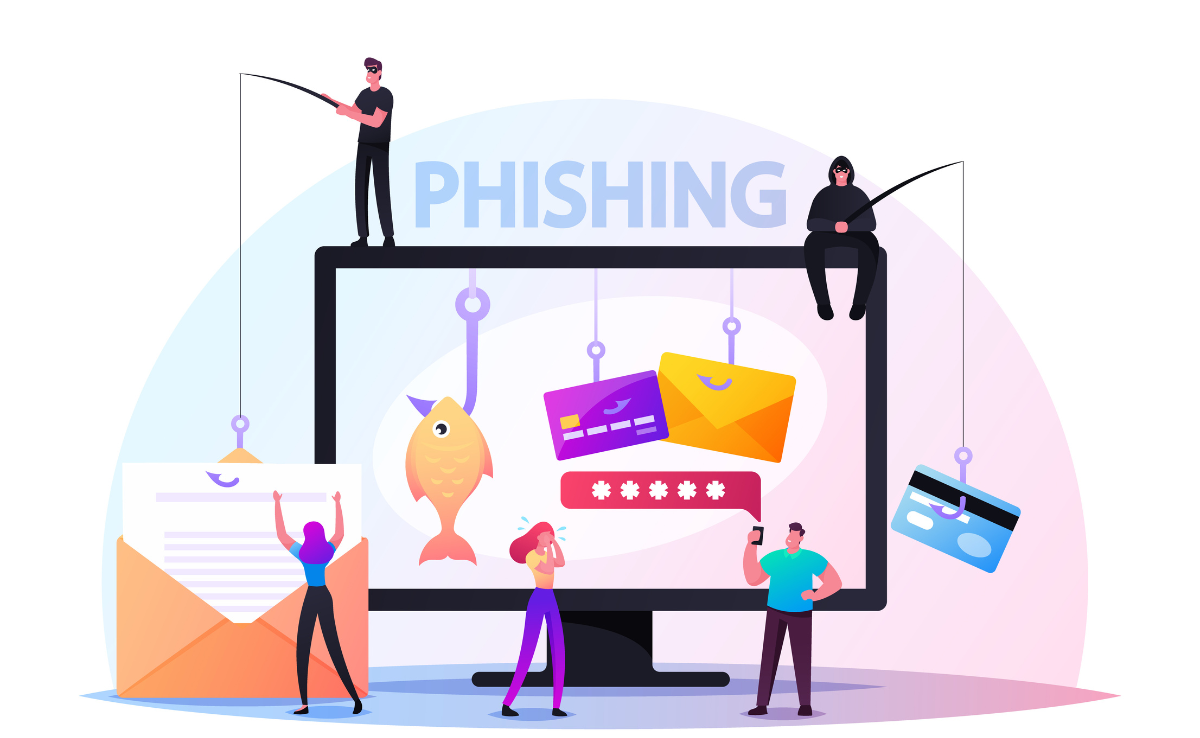
Typically, phishing attacks follow a straightforward pattern, such as:
The attacker pretends to represent a legitimate organization, such as a bank, delivery company, or government agency.
A message often appears to create urgency or panic, for instance, “Your account has been suspended” or “Immediate action required.”
The victim is prompted to click on a link, download an attachment, or offer personal details. This highlights the importance of multi-factor authentication to prevent attackers from accessing your personal accounts even if login details are compromised.
After the victim complies, their financial or personal details are captured and misused.
Some phishing emails might look almost identical to official communications, making them difficult to detect at first glance.
Phishing has advanced over time and now strikes in several forms:
Mass emails are sent to thousands of recipients in the hope that a few will fall victim to the scam.
Extremely targeted attacks customized to a specific organization or individual.
Phishing attacks are aimed at high-profile individuals such as executives or senior decision-makers. Seniors, meanwhile, are more commonly targeted through impersonation, tech support scams, and financial fraud.
A legitimate email that appears to be copied and resent with a malicious link or an attachment.
Phishing attempts are made via phone calls or SMS messages.
Each phishing type uses the same technique: convincing victims that the message is reliable.
Phishing succeeds because it is simple, scalable, and designed to exploit common human behavior. It also adapts quickly to new defenses and technologies.
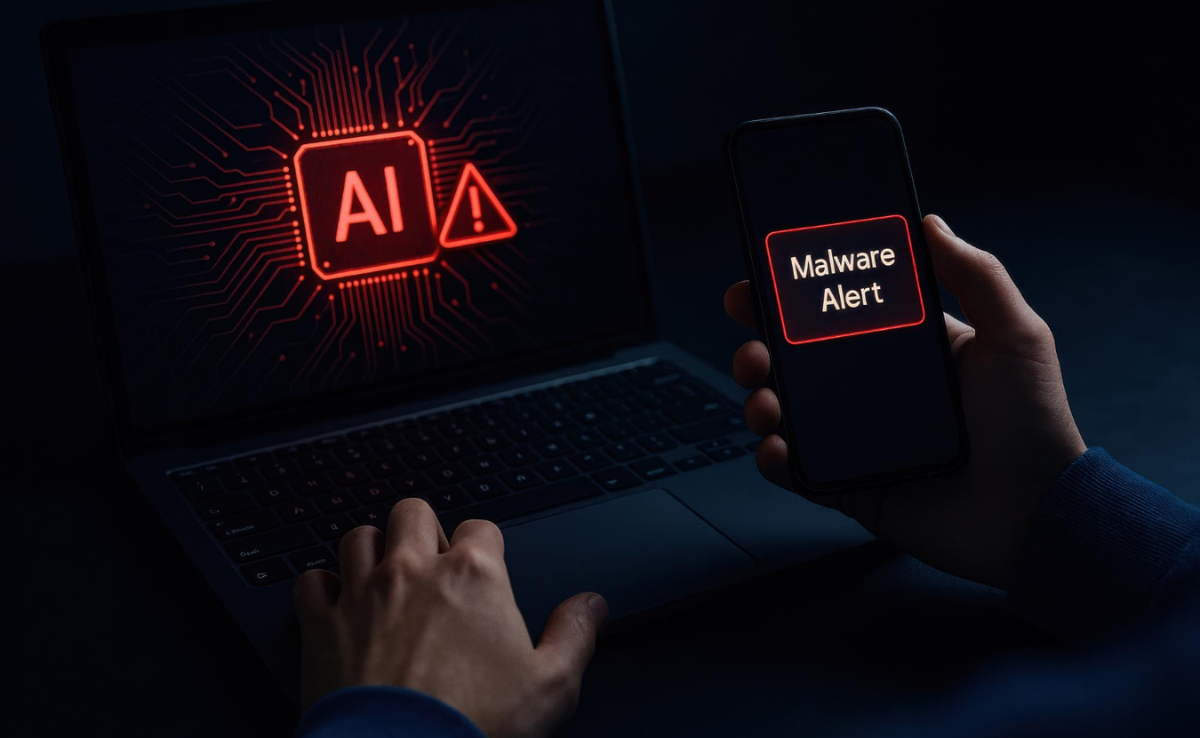
Phishing is lucrative to cybercriminals since it is affordable to launch and extremely profitable, especially when it drains your bank accounts. This highlights the need for intelligent detection systems on bank accounts that can identify patterns often missed by manual reviews. AI scam detection can help in countering such high-scale attacks through:
Real-time analysis of scam patterns can reduce the profitability, disrupting attackers’ ability to operate at scale.
Successful cyber attacks often rely on emotional manipulation, such as urgency, fear, or misplaced trust, to impact even seasoned users. Since human behavior can never be patched or controlled, AI-powered detection systems serve as an important defensive layer to help safeguard against making emotional decisions. AI-scam detection can help identify:
Automated detection of emotional manipulation can prevent a user from reacting to deceptive messages before real damage occurs.
Phishing campaigns rely heavily on automation to reach millions of users. Manual monitoring fails to scale at the same pace, making AI tools important for high-volume, consistent threat detection. AI-based protection helps to detect:
Consistent monitoring across massive datasets, including phishing scams on social media and other platforms, will limit the reach of large-scale campaigns, thereby reducing overall exposure.
High volumes of texts, emails, and notifications make it difficult to tell real messages from scams. These attacks appear to blend naturally into regular communications, making AI-scam detection tools important for distinguishing risk from noise. Smart filtering and behavioral analysis are important for helping organizations avoid these scams and detect and prevent phishing attempts that might otherwise go unnoticed. AI systems help to identify:
Enhanced message filtering helps users focus on authentic interactions and reduces overlooked attempts.
Phishing tactics evolve rapidly, evading filters or user awareness. Static rules quickly turn outdated, making AI-scam detection tools the key to adapting to new scam behaviors in real time. AI tools consistently adapt through:
Adaptive detection ensures that protection remains effective as these techniques evolve.
Phishing attackers often operate anonymously with limited accountability. AI-scam detection tools help increase the attacker’s exposure by identifying repeated behaviors and shared infrastructure across the campaigns. AI systems help to uncover:
Enhanced visibility into attacker behavior increases operational risk and disrupts persistent activities.
Staying protected against phishing needs awareness, advanced detection technologies, and proactive security habits, such as:
Furthermore, organizations should conduct regular security training, run simulated tests, and deploy AI-driven monitoring systems to strengthen cybersecurity.
Phishing will continue to evolve as long as technology and digital communication exist. However, falling prey to it can be prevented. Implementing modern protection requires smart solutions that operate consistently and adapt in real time.
At Jortty, we offer an AI approach designed to identify scams sooner, reduce exposure to online fraud, and strengthen trust across every digital interaction. Contact us today to know how we can help safeguard your digital communications against phishing and evolving scam threats!
AI models detect abnormal patterns, which can help identify previously unknown phishing techniques.
Yes, small businesses can be secured with scalable AI solutions without the need to have dedicated cybersecurity teams.
The advanced algorithms reduce false positives, continually improving the accuracy of threat recognition.

I’m Jortty and built to help you feel confident with technology. I share clear tech guidance, safety tips, and smart insights to help you stay protected and informed online.