
What Parents Need to Understand About AI-Powered Apps


Blogs
Nov 27, 2025 Jortty
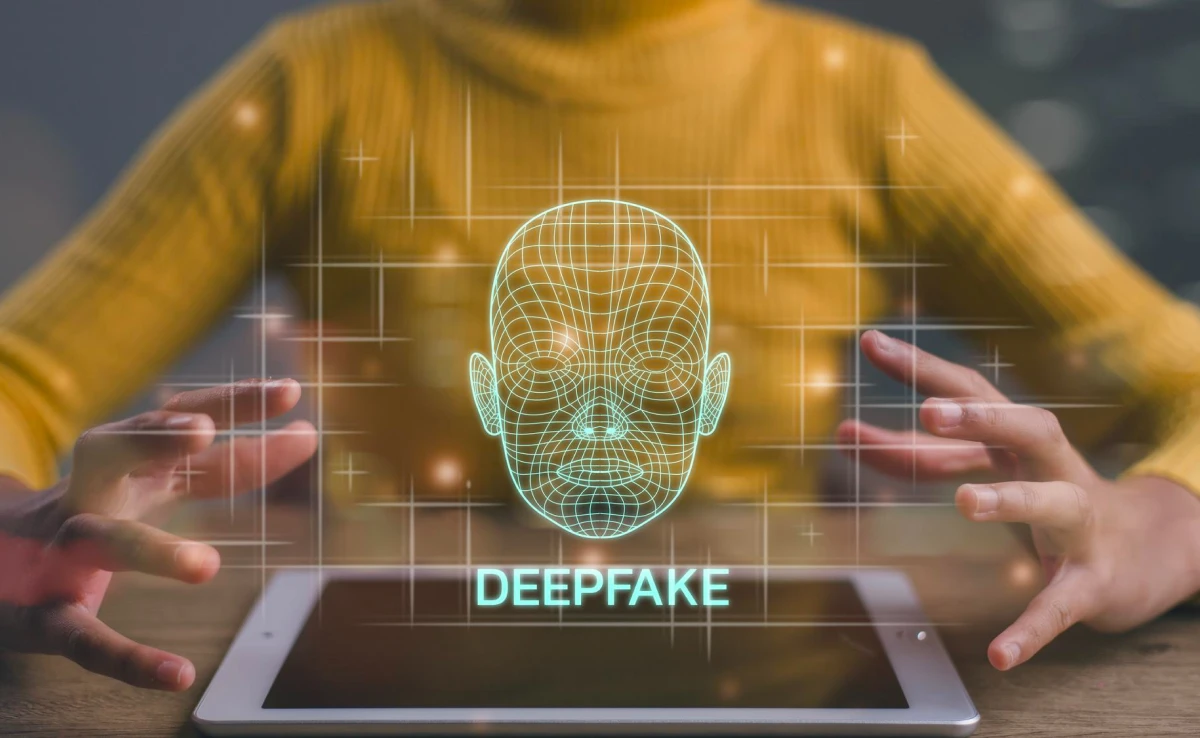
Impersonation is an issue across marketplaces and financial institutions. It makes it challenging for individuals to entrust that money, and the key data never ends up where they never plan to go. It is the new form of media based on AI or artificial intelligence, making it highly challenging to inform whether there is someone who is really claiming to be considered a deepfake. Today we are going to identify the type of deepfake scams and share tactics to help protect yourself with search engine tips right here with us at Jortty.
Here are the ways in which malicious actors generally use deep fakes to share accurate information.
Deepfakes have a longer-lasting and damaging impact on the firm along with the personal reputation. You can take proactive measures to avoid them, which you will find in our Techtionary at Jortty.
It would astonish you to learn that numerous employees, vendors, and partners have yet to hear about deep fakes or how they are used. Like the tabletop exercises for email phishing that have become the real norm in corporations, you have to introduce training teaching your stakeholders to spot fake audio and videos.
The majority of us remain familiar with cybersecurity best practices, mainly whenever it comes to social engineering attacks. Such practices help safeguard you against deepfake disinformation and phishing attempts and attacks. Regular check-ins and reviews of such basic concepts with the help of the team help spot elegant phishing tactics.
Allow your employees to foster a culture of taking a step back, pausing, and raising concerns whenever they appear to feel concerned. If the employee never raises a concern, reward them with positive feedback. Therefore, numerous cyber attacks prove a success to human error. There are numerous distractions, as one slip-up can open the door to threats. As already mentioned, cyber experts need help to identify the difference between the fake and the real.
The core principle of less privilege states that applications and users granted less access are required to perform tasks effectively. This principle reduces the possible damages whenever an account is misused or compromised. However, if you understand the voice or face of the individual making an unusual request, it is best to verify and confirm that the request remains legitimate before undertaking any action.
Deepfakes are a growing threat, so ensure to include the deepfake techniques under your incident response plans. Whenever the shallowfake or deepfake pops up online, it is important to address it instantly. The more it starts to spread, the more individuals would note the fake believing in the contents, therefore nip it under the bud with a press release, media appearance, or social media statement.
At Jortty, Tech marketplace, we help you understand that deepfake technology poses a notable threat. It can convincingly manipulate video, audio, and text, making it a potential tool for cybercriminals. Impersonation deepfakes would trick the employees into transferring the funds or even revealing the key data with the synthetic content deepfakes, spreading misinformation and damaging the reputations.

I’m Jortty and built to help you feel confident with technology. I share clear tech guidance, safety tips, and smart insights to help you stay protected and informed online.