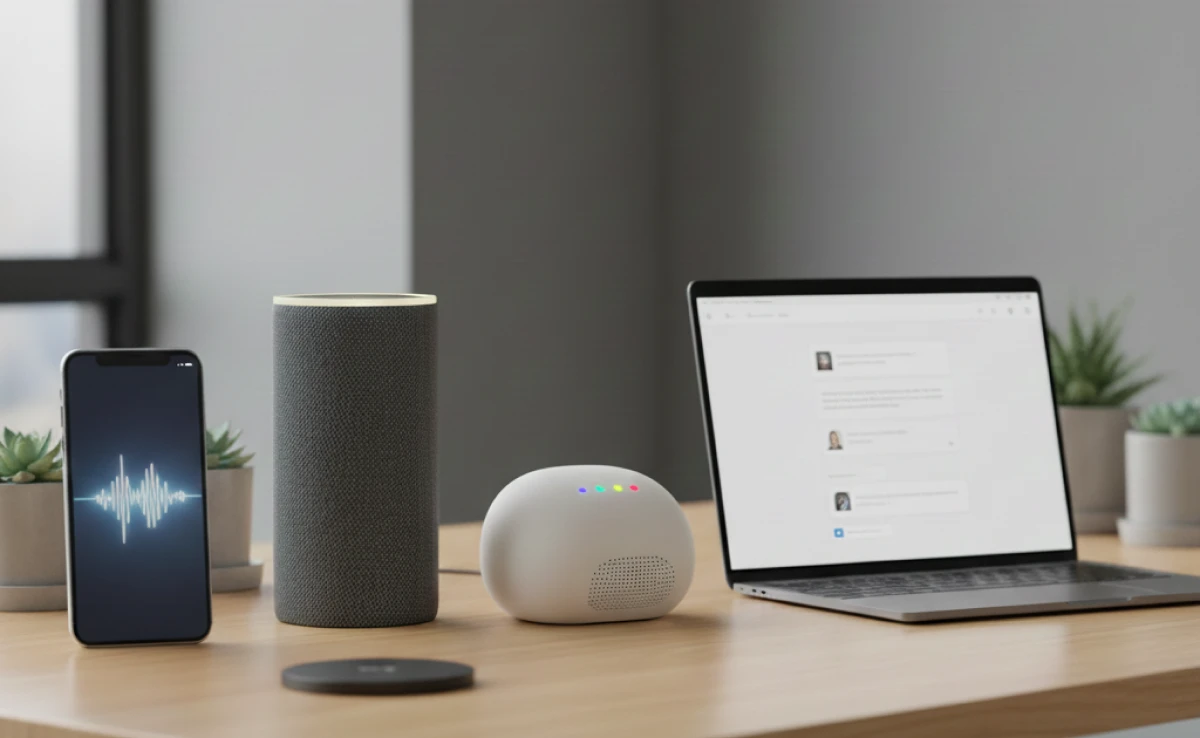
Siri vs. Alexa vs. Google Assistant vs. ChatGPT: Which is Better?
Dec 08, 2025
Jortty
Voice assistants and conversational AI have become a critical part of our lives; however, selecting the one that is the best becomes an arduous task. Siri, Google Assistant, Alexa, and ChatGPT each bring distinctive strengths to the platter. It is the comparison that we have created today at Jortty with instant tech support to look into their attributes, use, and overall effectiveness to assist you in deciding which is the one that better serves your needs.
Understanding the Basics
Siri: Made by Apple, Siri is mainly integrated into the company’s ecosystem, available on iPads, iPhones, Apple Watches, Macs, and HomePods. Siri’s real strength remains in its seamless integration into Apple’s services and products, offering the best user experience.
Alexa: As formed by Amazon, Alexa offers the real potential to the Echo Line of smart speakers and gets embedded into distinctive third-party devices. They are known for their extensive compatibility with smart homes, while Alexa excels at controlling connected devices while accessing a massive set of skills.
Google Assistant: It is available across Android devices with Google Home speakers and several third-party devices. It uses Google’s massive search abilities while offering precise answers to queries like urgent tech help, integrating them appropriately into Google services such as Maps, Calendar, and Gmail.
ChatGPT: Made by OpenAI, ChatGPT is the best conversational AI. It excels at understanding and generating human-like text. Unlike other conventional voice assistants, ChatGPT is streamlined at handling complex queries while offering thorough context-based responses.
Key Features & Capabilities
Voice Recognition & Natural Language Processing
Each of the four assistants uses highly advanced voice recognition and NLP, or natural language processing, to know and respond to the commands of the user. But, the potential of such abilities varies, such as:
Siri: It is typically precise under the ecosystem of Apple; however, it would grapple with less common accents or phrases.
Alexa: It excels at understanding commands related to smart home control and shopping, but it could be more reliable with intricate queries.
Google Assistant: It is proven to be the best tool for handling diverse forms of accents and intricate queries due to Google’s search and NLP technologies.
ChatGPT: It is considered to bring depth to the conversation while it understands and generates natural responses, making it the best for thorough inquiries and interactions.
Integration with Devices & Services
The integration abilities stay critical to maximize the benefits of a voice assistant like the on-demand tech support:
Siri: It seamlessly integrates with Apple services and devices; however, it needs to be improved immediately after leaving the ecosystem.
Alexa: It renders extensive compatibility with smart home devices as well as third-party services, while it offers a versatile user experience.
Google Assistant: It integrates with Google services in the best way, with a massive range of smart devices that offer better functionality.
ChatGPT: It remains the best conversational tool that integrates less with physical devices. However, it excels in offering well-detailed, context-rich data.
Smart Home Control
The core functionality of these modern voice assistants is to control the smart home devices as follows, especially with TrueDial:
Siri: It operates appropriately with devices enabled through HomeKit; however, it has restricted compatibility outside of Apple’s ecosystem.
Alexa: It plays a dominant role across smart home control, while Alexa supports a massive range of devices, offering extensive options for customization.
Google Assistant: It provides robust smart home integration, specifically with products from Google Nest and other compatible devices.
ChatGPT: It is generally not used for smart home control as it focuses on offering well-detailed support for conversations.
Information Retrieval
Accessing as well as retrieving information rapidly and flawlessly is the primary operation of these assistants:
Siri: It is the best for fundamental queries, and the information is based on Apple; however would grapple with further intricate queries.
Alexa: It is the best for simple queries, shopping details, and weather updates; however needs to be more reliable for thorough information.
Google Assistant: It is the best for the retrieval of information as it uses the search capabilities of Google in terms of offering precise and extensive answers.
ChatGPT: It is streamlined for in-depth and context, with ChatGPT offering thorough and general details, making it perfect for intricate queries.
Ease of Use
Siri: It is a user-friendly option for those within Apple’s ecosystem. It has a seamless interface and voice commands.
Alexa: It involves ease of use and is intuitive, mainly for smart home control with a massive range of customizable commands.
Google Assistant: It is effective and simple, mainly for Android users, with clearer and stronger voice recognition.
ChatGPT: Accessibility is mainly through the text interfaces, as ChatGPT is convenient for thorough conversations; however, it lacks the ability for voice interaction.
Security Features
Siri: It has robust security features, including the on-device process and end-to-end encryption for specific forms of data.
Alexa: It offers better security settings with options for deleting and reviewing voice recordings; however, have faced data breaches.
Google Assistant: It offers strong security features that include 2FA and encryption with proper user controls for effective data management.
ChatGPT: aims to secure data handling practices and constantly enhance security and privacy.
Conclusion
Making a selection between Alexa, Google Assistant, Siri, and ChatGPT mainly hinges on your distinctive needs and the choices for the ecosystem. Every assistant comes with its core strengths, forming the ideal choice, which depends on how you emphasize features and integrations within the technological landscape.
Jortty
I’m Jortty and built to help you feel confident with technology. I share clear tech guidance, safety tips, and smart insights to help you stay protected and informed online.