
What Parents Need to Understand About AI-Powered Apps


Blogs
Oct 28, 2025 Jortty
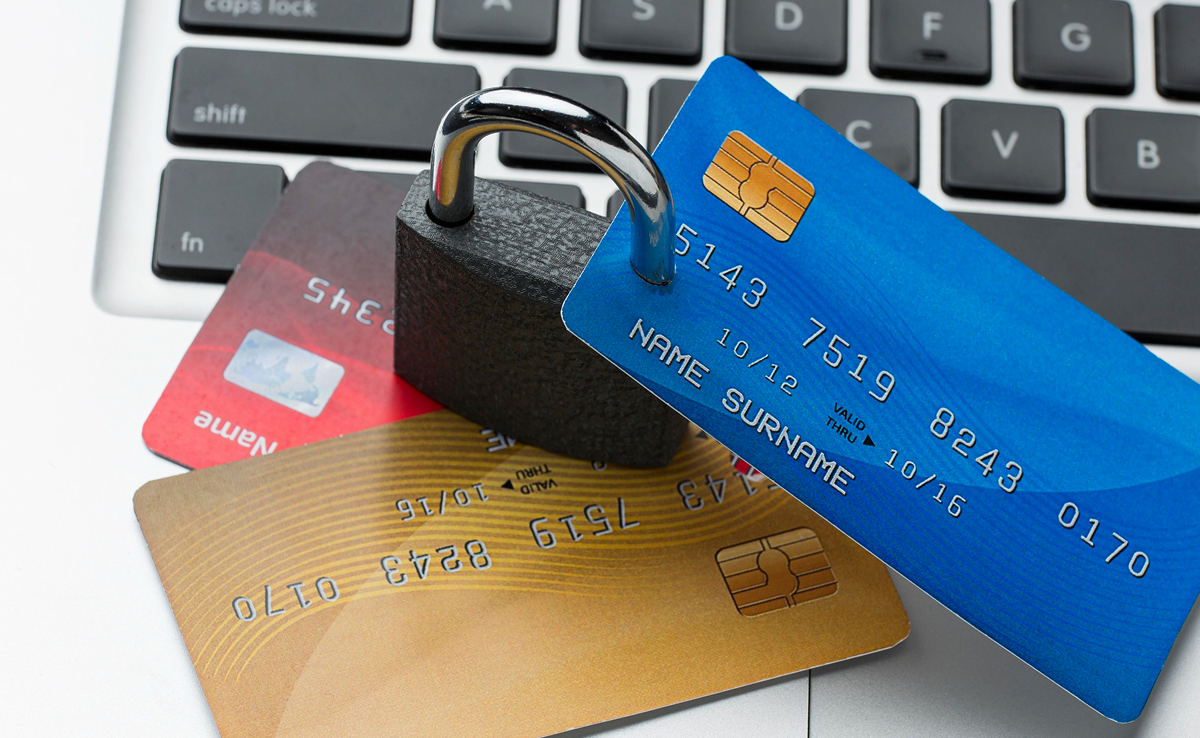
Credit card fraud is related to all types of unauthorized use of another person’s credit card information to make purchases or withdraw cash. It comes in numerous forms, including physical theft of credit cards, phishing for credit card information, skimming the details of the credit card, or using computer malware to get credit card data. Fraudsters often use stolen information from credit cards for fraudulent purchases, phone scams, and even cash withdrawals, leading to financial losses for the victims.
Credit card fraud affects the financial and personal data of the victim, leading to long-term damage to their credit rating and financial health. Consequently, it is essential to take the proper measures to prevent credit card scams and report any unauthorized transactions sooner and at Jortty, we will help you in staying aware and preventing these scams from affecting you.
Although credit card scams are a growing issue, there are a couple of steps one can take to safeguard their finances and prevent them from being victimized by credit card fraud.
Your birthdate, along with the other key details, are often subjected to gain access to your credit accounts. Avoid discussing or handing over your data unless required. Stay cautious on social media and people reaching out to you, as the fraudsters would often share a link that will steal your data or ask for your details. It will help you protect yourself from phone scams, message scams and other fraudulent activities.
Always create unique and strong passwords for your online accounts, as this is a basic step to prevent identity theft. Try to avoid using simple, guessable passwords like your date of birth or name. Try using a combination of numbers, alphabets, and special characters. Furthermore, ensure that you have unique passwords for your online accounts. Use a password manager like TrueDial to securely store and generate complex passwords.
Two-factor authentication will add another layer of security to your online accounts. Allow this feature whenever possible, as it needs your password and secondary verification methods, like a unique code sent to your mobile device as a phone scam prevention. It will make it considerably tougher for scammers to gain any form of unauthorized access to the accounts if they ever get their hands on your passwords.
Several credit cards offer security features that will help you identify fraudulent activities in real-time. You can then choose to get notifications every time any transaction happens. Credit card providers should proactively monitor every account to look out for signs of fraud, like any unauthorized transactions, unusual spending patterns, and bigger-ticket purchases. You will get notified of suspicious transactions generally before the charge goes through.
The scammers would often send text messages and emails appearing to arrive from legitimate sources like an IRS, bank, or a reliable retailer that will trick the consumers into willingly handing over key financial details. Stay aware of overly generic emails and texts, spelling and grammatical flaws, and email addresses or irregular domains. If you get a text or an email notifying you of an issue with your account, never click on the link that comes with the email, as it includes malware. Instead log in directly to your account from a website browser.
It is important to stay safe online and refrain from entering important information while using any public WiFi network. If you have a private connection, ensure that you visit websites with a URL starting with “https” since this indicates that the connection is secure and the data transmitted stays encrypted.
A glance at the credit score may indicate activity from a malicious third party. Create an automated score update with the bank or set monthly or even weekly personal notifications for checking the score. To make things easier, try downloading your banking app on your smartphone. If you are suspicious of anything, get in touch with your bank and ask if they can inform you of this activity.
Along with the tips and tricks we mentioned, technological advancements these days and the evolution of artificial intelligence can help detect credit card scams in real-time using machine learning and advanced analytics. The technology can help assess a massive amount of data, making it rapid and highly accurate compared to manually checking out your accounts.

I’m Jortty and built to help you feel confident with technology. I share clear tech guidance, safety tips, and smart insights to help you stay protected and informed online.