
The Most Common Email Scams Targeting Seniors in 2026


Blogs
Oct 08, 2025 Jortty
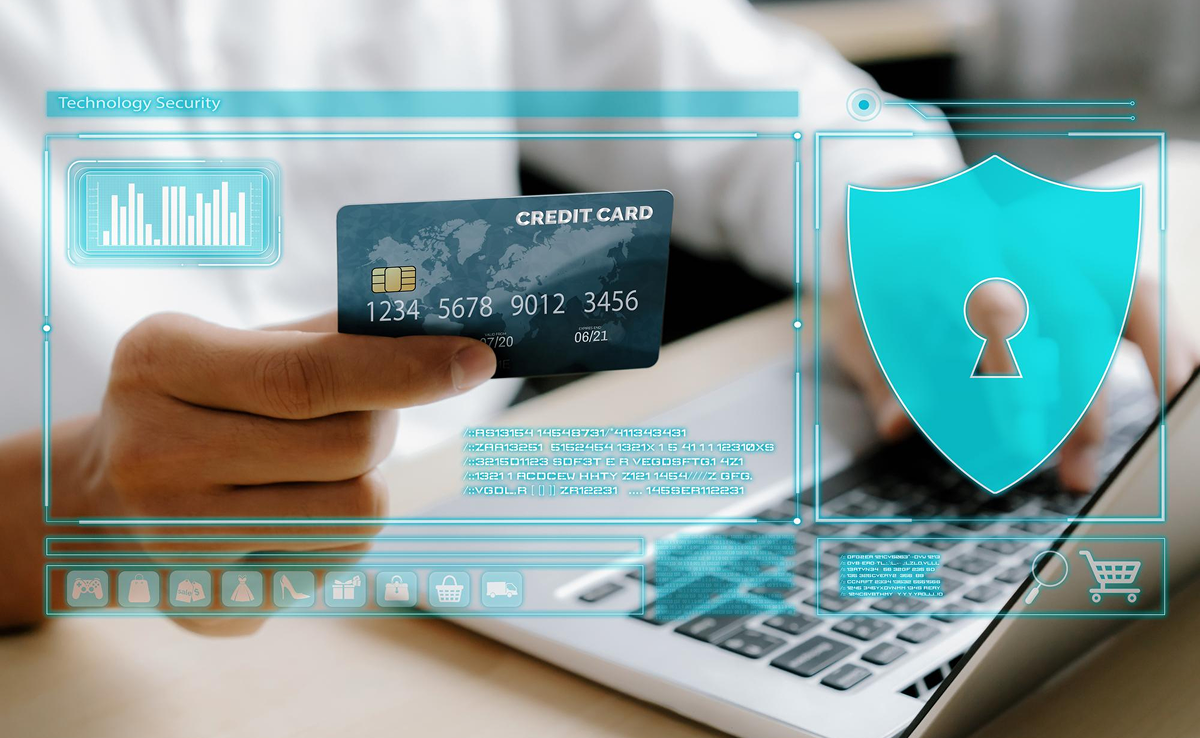
The digital space has changed the entire outlook on how we manage our finances. Online banking is one such convenience that is just a click away. Without a couple of taps, you can check your account balances, transfer money, and even pay bills anywhere. But this convenience is also associated with the responsibility of protecting our financial details from online threats like Phishing scams.
Cybercriminals are constantly finding new ways to exploit the online banking space, posing serious risks to your hard-earned money and personal data. Here at Jortty, we can help show you some great ways to safeguard your online banking accounts and secure your finances.
One of the serious risks that you can face in online banking is phishing scams. It involves deceitful emails or messages that might appear to you as coming from authentic or trustworthy sources like government agencies or banks. Such messages contain attachments or links. When you click on them, it directs you to the fake websites created to steal your banking details. It is important to identify phishing emails that ask for your financial details and verify their authenticity before clicking on any links that appear.
We will now discuss a few things that you can do to stay safe online.
To avoid scams online, it is important to create a strong password. Try to avoid the ones that are guessed easily, like “123456” or just “password.” Always create unique passwords by including a combination of upper and lower case letters and numbers, as well as special characters like “#, $, %…etc). Also, try using a passphrase that you can remember but is tough to guess by the outsiders of cybercriminals.
Add another layer of security to your online banking accounts with two-factor authentication that needs a second type of verification, like a code that is sent to your email or phone along with the password you have already set. This prevents cybercriminals from accessing your accounts even if they get hold of your password.
Regularly download the new version of the application and other devices you use for Internet banking, and ensure that the security holes are covered. Such updates are general for mitigating the risks cybercriminals can leverage to violate both your banking information.
If you are using online banking in airports or coffee shops, then it is most likely that you are connected to public Wi-Fi. So always stay aware while using it. These networks are never protected, creating a gateway for cybercriminals to access your data. If possible, try using a VPN or Virtual Private Network to protect your internet connection and personal data from these external threats.
Try monitoring your online banking accounts regularly to check for any suspicious activity. Look out for any unauthorized transactions, unidentified login attempts, or any other signs where you may find that your account is compromised. The sooner you find out about such activities the faster you can report and take necessary steps to protect your data.
Many banks provide the service of account alert that sends messages to your phone or email when it detects any unauthorized activity in your account. Such events may entail bulk purchases or withdrawals, any attempts to log in from a different device or at hours that are not typical, or, of course, low balances. To ensure you are always warned in case of any probable unlawful act, be alert for these because they will assist you to be vigilant in case of any wrong docket.
In particular, it is crucial to remain updated on current threats and frauds affecting loyalties that use web banking services. These are mainly the senior candidates who are most often exploited by the scams. Explore what the regular and typical ways that cyber criminals employ, such as malware, phishing, etc., in order not to fall victim to the same.
If you believe that your online banking account is at risk or you have fallen prey to scams, always ensure that you contact your bank immediately. Your bank will help protect your account and find out about unauthorized transactions while taking necessary steps to prevent any other frauds from happening.
Cybercriminals hardly target the bank. Here, they target humans, tricking people into sending money or giving up on their account details. Your bank might fail to safeguard you. So, it is always important to learn more and adapt to this digital world, and at Jortty, we help you with the easiest tips that can help safeguard you online.

I’m Jortty and built to help you feel confident with technology. I share clear tech guidance, safety tips, and smart insights to help you stay protected and informed online.