The Most Common Email Scams Targeting Seniors in 2026


Blogs
Nov 16, 2025 Jortty
The requirement for strong security measures has just witnessed growth. Traditional modes of authentication, like using passwords, are facing notable risks to cyber threats that are fueling the growing need for more secure alternatives. This is where biometric authentication companies come into play. It is where groundbreaking technology is changing the entire outlook of online identity verification as scam protection for all ages.
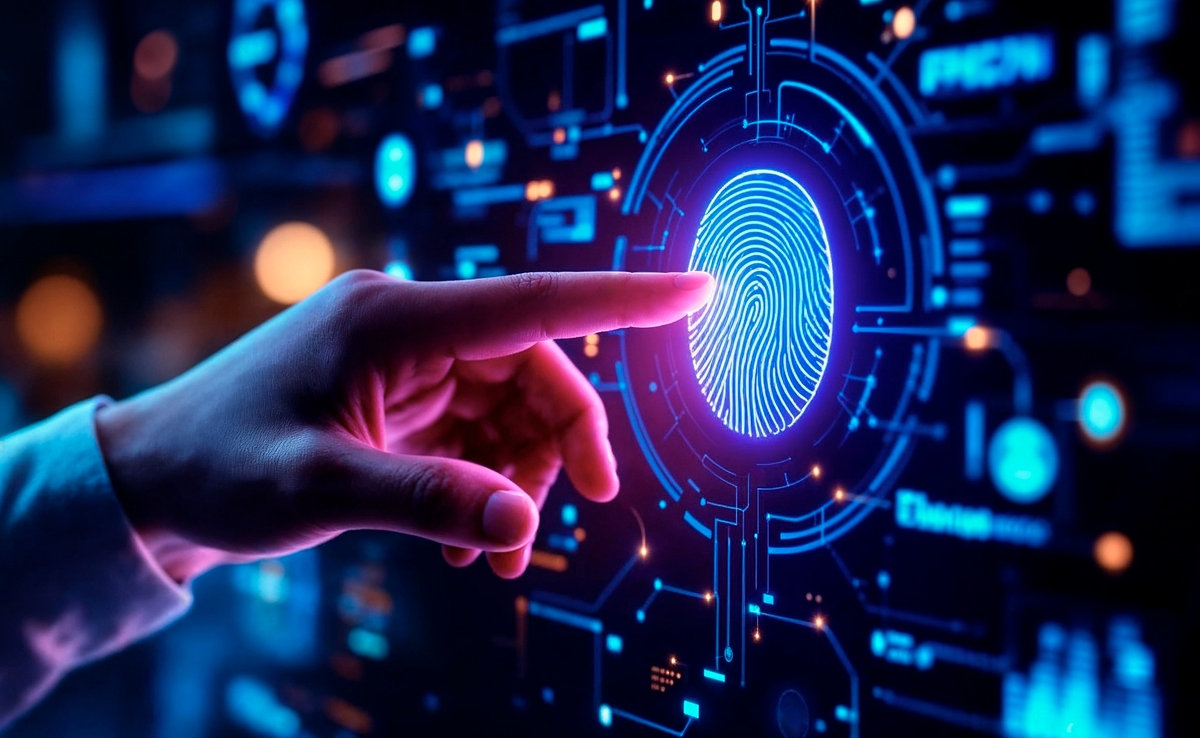
Biometric authentication, also known as biometrics, is a method used to verify the identity of a person based on their distinctive physical features. It is the kind of authentication that depends on the inherent characteristics of a person, unlike the PINs or passwords that are often forgotten, easily guessed or stolen. It is what makes biometric authentication more secure, especially when it comes to verifying identity during secure digital transactions. Biometric authentication is mainly of five types, including gait analysis and typing patterns for scam prevention.
Companies are gaining better knowledge about the benefits offered by the biometric security systems with the protection they offer and not just safeguarding the physical surroundings but even the company assets and computers against Scamify. Any unauthorized person will be prevented from gaining access to the security systems and the networks within the company buildings.
Specialized cameras or sensors are included in biometric authentication devices. These capture biometric data and process it using sophisticated algorithms to create a distinctive template for every individual. Whenever authentication is required, the system compares the captured biometric data with the stored templates to grant access.
Biometric authentication offers numerous perks over the traditional ways of authentication.
Biometric authentication is becoming a core part of our lives today. The use of fingerprint scanners on laptops, facial recognition on smartphones, or voice recognition for banking services is a couple of instances. The advancements in technology can help us check the better integration into numerous sectors including the healthcare, government services as well as the finance sector.
Furthermore, biometric technology is constantly evolving. For example, advancements in behavioral biometrics make it possible to identify individuals based on their interactions with systems and devices. This would add another layer of convenience and security.
Biometric authentication plays a notable part in the future of secured access. It forms the real combination of elevated security and user convenience, making it an alluring option for people and companies in search of safeguarding key details. But addressing privacy concerns and ensuring strong security measures are important as biometrics continues to evolve and become important in our lives.

I’m Jortty and built to help you feel confident with technology. I share clear tech guidance, safety tips, and smart insights to help you stay protected and informed online.