
Growing up today is becoming an immersive experience in a digital-first world dominated by apps, games, and online communication. However, daily digital interactions encourage learning and creativity. It also paves the way for evolving cyber threats, the most common of which is “phishing.” Children often lack awareness of risks associated with the digital space. This makes them an easy target who falls prey to misleading information that appears exciting, friendly, or urgent.
Threats today are turning more advanced, mainly with the rise of AI-powered scams. So, depending only on knowledge about the scams is not enough. As a response to this threat, AI scam detection tools like Jortty play an integral role. It helps in identifying suspicious links, deceptive messages, and harmful content. Along with proper education, these tools can help create a safer digital space that aligns with the way kids are interacting online.
What Is Phishing?
Phishing is generally a disguised cyberattack tactic where people get tricked easily into sharing important details through fake websites, messages, or links masked as a reliable source that exploits curiosity, fear, and urgency.
Generally, phishing appears like:
- Fraudulent messages that pose as reliable contacts
- Links that redirect to fake websites
- Urgent requests for personal details
- Offers appear to be too good to be true
- Alerts regarding fake account security issues
Advancing phishing supports attackers in implementing techniques such as AI-generated emails that impersonate real communication styles. This makes it hard to detect scams as they appear extremely convincing.
Why Kids Are Particularly Vulnerable
The manner in which the children of today are interacting online is unlike the normal interactions that adults have. It primarily focuses on amusement, the human element, and exploration instead of safety.

Limited Awareness of Online Threats
Children are constantly developing skills to evaluate cyber threats and patterns of deceptive behavior in the various areas of the digital systems that they frequent.
Inadequate information regarding cyber threats, children believe that every communication is secure. This ignorance causes them to believe phishing scams, and they provide sensitive information without knowing or by clicking on infected links.
Natural Trust in Digital Interactions
Children trust messages that often seem as though they have been sent by someone they know, through a platform, or through a service that they are frequently using on the Internet.
Such trust makes them easy scam targets. Moreover, scammers become more advanced because of the increasing impact of AI on childhood in this digital age. They have begun to develop false identities and very realistic messages. This complicates matters for kids who need to distinguish between genuine behavior and untruthful phishing tactics.
Curiosity and Attraction to Rewards
Children are attentive, and they are easily fascinated with appealing offers, gifts, or promises that can give them immediate satisfaction or special deals.
Usually, phishing scams take advantage of children’s interests by offering special deals that seem valuable and urgent. These emotional reactions tend to prompt children to do things on the spur of the moment. This raises the likelihood of them clicking on malicious links or divulging their personal information.
Heavy Engagement with Online Platforms
Messaging apps, social media, and gaming apps are the places of interaction that consume a lot of time.
These digital realms make fraud seem trustworthy and acceptable. Lack of adequate knowledge may lead to kids engaging with malicious links or embedded messages across the platforms they use. This exposes them to higher risks of being affected by phishing without knowing its potential effects.
Lack of Consistent Supervision
As children are gaining independence in the digital world, the new users are often left to use devices without the right instruction or regular adult supervision.
This autonomy tends to create loopholes in overseeing their online actions. Phishing scams often get overlooked due to the lack of prompt intervention. This enables children to engage with dangerous materials or to post personal information without knowing it on dangerous websites.
Common Phishing Tactics Targeting Kids
Advancing phishing techniques that target kids are created to blend seamlessly into their digital space. This would make the scams more entertaining, non-dangerous, or part of their normal interactions.
Some commonly used tricking methods, targeting younger users, include:
- False bonus prize or game prices
- False information from friends and colleagues
- Premium game features are seen as unlocked with links
- Fake security warnings in the form of pop-ups
- Fakes that came in the form of school updates
These changing tactics can transform phishing scams so that they target kids in a number of ways that demonstrate the significance of learning about them and taking adequate security measures.
How to Protect Kids from Phishing
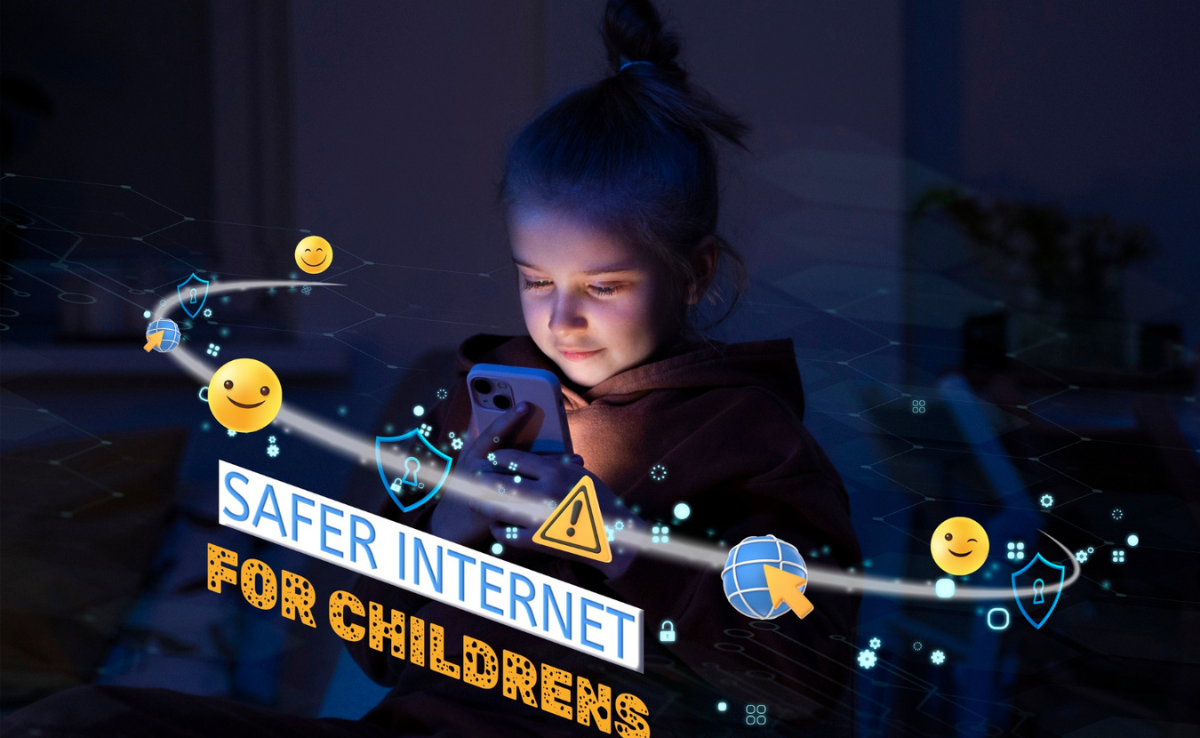
Online protection of children includes the applications of awareness, proactive techniques, and a regular degree of supervision.
Build Strong Digital Awareness Early
Teaching your kids internet safety earlier assists in developing their analytical skills in using digital environments or in engaging with unfamiliar information.
Regular instructional guidance assists them in recognizing suspicious links, offers, or messages. They later develop confidence to avoid phishing scams on social media and make safer decisions when using apps, games, or communication media.
Encourage Open and Honest Communication
If children are discussing something unusual that they have come across online, they should feel safe. They should not have the fear of getting judged, blamed, or restricted from using their devices.
Open communication develops prompt reactions to danger. Moreover, it assists in establishing trust and making sure that children know about phishing activities in time. This assists the parents in dealing with the threats before they occur as a major digital security concern.
Teach Practical Red Flag Recognition
It is important to help your child identify the warning signs, such as requests for personal details, urgency, or unfamiliar links. This helps in improving their capability to detect phishing attempts sooner.
Training your kids through real-life examples can further strengthen their response skills. Gradually, this sort of habit will encourage them to pause and think before clicking. This prevents them from falling prey to these harmful or misleading online messages.
Use Parental Controls and Monitoring Tools
Parental controls can help in managing their screen time and restricting their exposure to harmful or misleading content across platforms or devices used by kids.
Implementing this approach, along with using AI-scam detection tools, makes protection effective. These tools can identify real-time threats, block malicious links, and offer an added layer of automated digital safety for kids.
Strengthen Account Security Measures
It is important to encourage your kid to implement strong, unique passwords and also enable two-factor authentication. This helps them secure their accounts against unauthorized access attempts.
AI scam detection tools improve protection through consistent monitoring of suspicious activities and notifying users about possible threats. This ensures prompt responses, reducing the scope for their accounts becoming compromised due to phishing scams.
Conclusion
While digital threats are evolving at a rapid pace, safeguarding your kids needs adaptive and smarter solutions. Knowledge only fails to keep pace with the rapidly advancing scams backed by sophisticated technologies. It is where smart tools come to the rescue to bridge the gap between real-time protection and knowledge.
Platforms such as Jortty are dominating this change by offering AI scam detection and 24/7 tech support. This ensures that families are not dealing with the risks by themselves. Contact us today to explore how we can help in securing your child’s digital future!
Frequently Asked Questions
How do phishing scams target children differently from adults?
Scammers use playful language, familiar platforms, and peer impersonation to exploit children’s emotional responses.
Can schools help prevent phishing attacks among students?
Schools can implement cybersecurity education programs, teaching students safe online behavior and threat recognition skills.
Are mobile devices more vulnerable to phishing attacks for kids?
Yes, smaller screens hide warning signs, making it harder for children to identify suspicious links.