Scams that target seniors are evolving due to the rapid advancements in technology and the rise of AI. While technologies are getting embedded into our daily lives, scammers are exploring new ways to exploit trust, emergency, and unfamiliarity with digital systems. A normal phone call from a “bank,” a text message claiming any delivery issue, or emails that appear from a legitimate company, the risks are really growing.
Scams that target seniors are not limited to something as incidental. They are turning into a global crisis. This necessitates the implementation of approaches or the use of scam detection tools like Jortty that can help seniors stay protected online. So, what are the common online senior scams that are putting this population at high risk?
Why Seniors Are Prime Targets
It is necessary to learn why older adults are often targets before drawing comparisons among types of scams.
- Financial stability: A large portion of the elderly have savings, pensions, or property.
- Emotional triggers: Fraudsters purport fear, urgent need, or isolation.
- Changing tech landscape: It is hard to stay abreast of emerging electronic threats.
- Isolation: Less instant verification by trusted individuals.
The Rise of Multi-Channel Scams
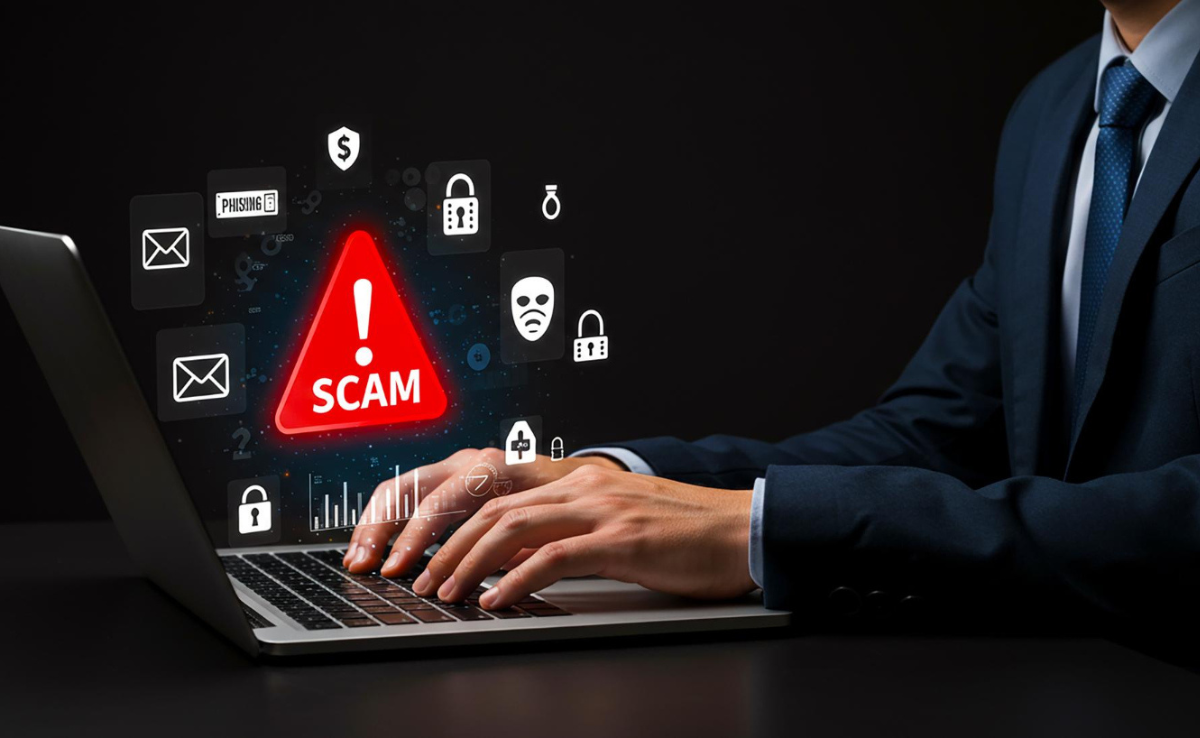
Fraudsters are now using a combination of communication options to appear more credible and insistent, making it difficult for seniors to spot fraud. This multifaceted approach generates trust, urgency, and minimizes the risk of early detection.
Current frauds are not limited to one touchpoint, such as planning contacts with presence in multiple platforms:
- Email initiates trust and familiarity
- Telephone calls are urgent and stressful
- Text messages support direct action
- The links point to inappropriate login pages
- Repeating makes perceived legitimacy more
This interconnected approach significantly raises the success rate of fraud. Due to the ever-changing fraud scheme methods, the impact of AI on email scam protection is the ultimate solution. These smart systems have the capability to analyze trends across platforms and prevent security threats before they get out of control.
Breaking Down the Most Dangerous Scam Channels for Seniors
Different communication channels pose different risks, and we must grasp how they will reach seniors in different ways.
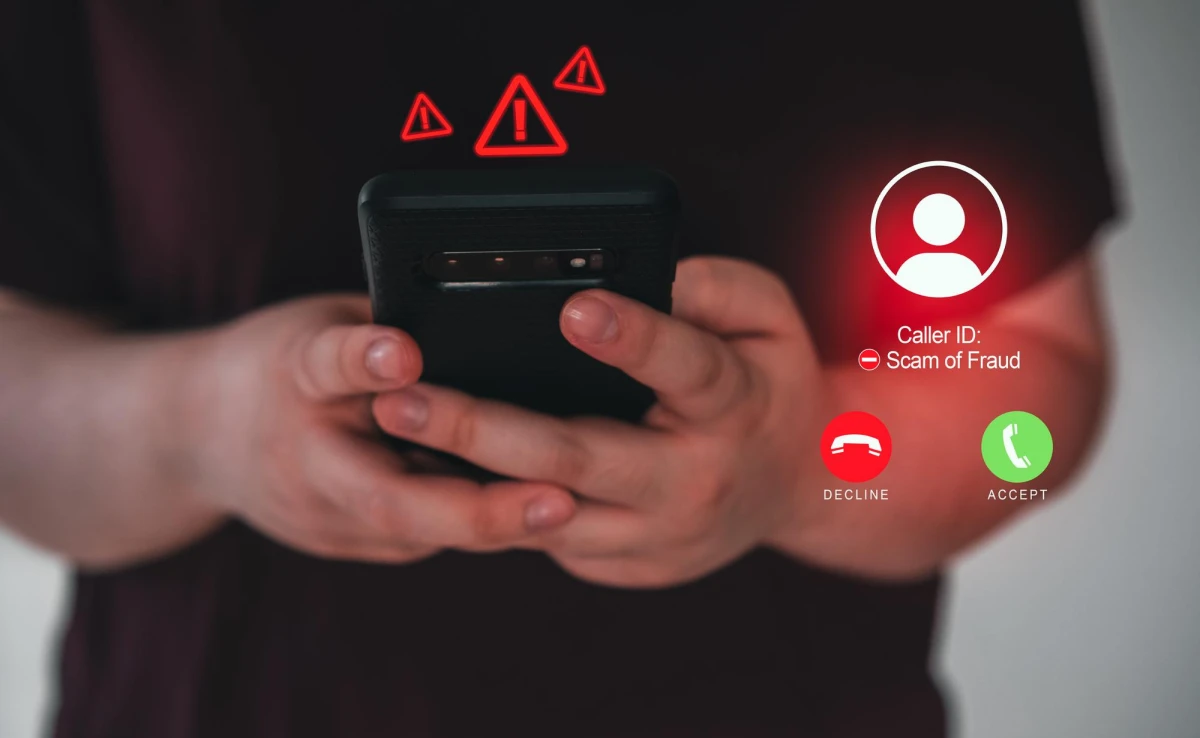
Phone Scams: The Most Emotionally Manipulative
Phone scams are one of the most efficient methods used to target seniors, as it takes advantage of the primal instinct of trust and dire need combined with face-to-face communication. To reduce the risk of being attacked by our most convincing efforts, it is essential to learn how to detect and prevent phishing attempts on your accounts.
Why they work
- Real-time interaction creates urgency
- Scammers impersonate authority figures
- Emotional triggers like fear or panic
Common examples:
- “Your bank account has been compromised.”
- “Your grandchild is in trouble.”
- “You owe taxes immediately.”
Risk level: Very High
Phone scams targeting seniors put them at high risk due to personal and more persuasive conversations. Little time to check claims, coupled with emotional pressure, results in hasty decision-making, which ultimately incurs losses.
Email Scams: The Most Deceptive
Phishing email fraud, also known as email scam, is designed to look credible and authoritative, and sometimes pretends to be a brand. In order to remain safe, the elderly need to be educated on how to avoid phishing scams on social media as well as email, as scams are growing more advanced.
Why they work
- Professional designs mimic real brands
- Fake links steal sensitive information
- Attachments may contain harmful malware
Common examples
- Fake banking alerts
- Password reset requests
- Subscription renewal notices
Risk level: High
Seniors are often at risk of text message fraud are associated with false leads on a frequent basis. Without a robust scam-detection tool, it becomes difficult to identify legitimate emails and to take preventive measures to stay protected.
Text Scams (Smishing): The Fastest Growing Threat
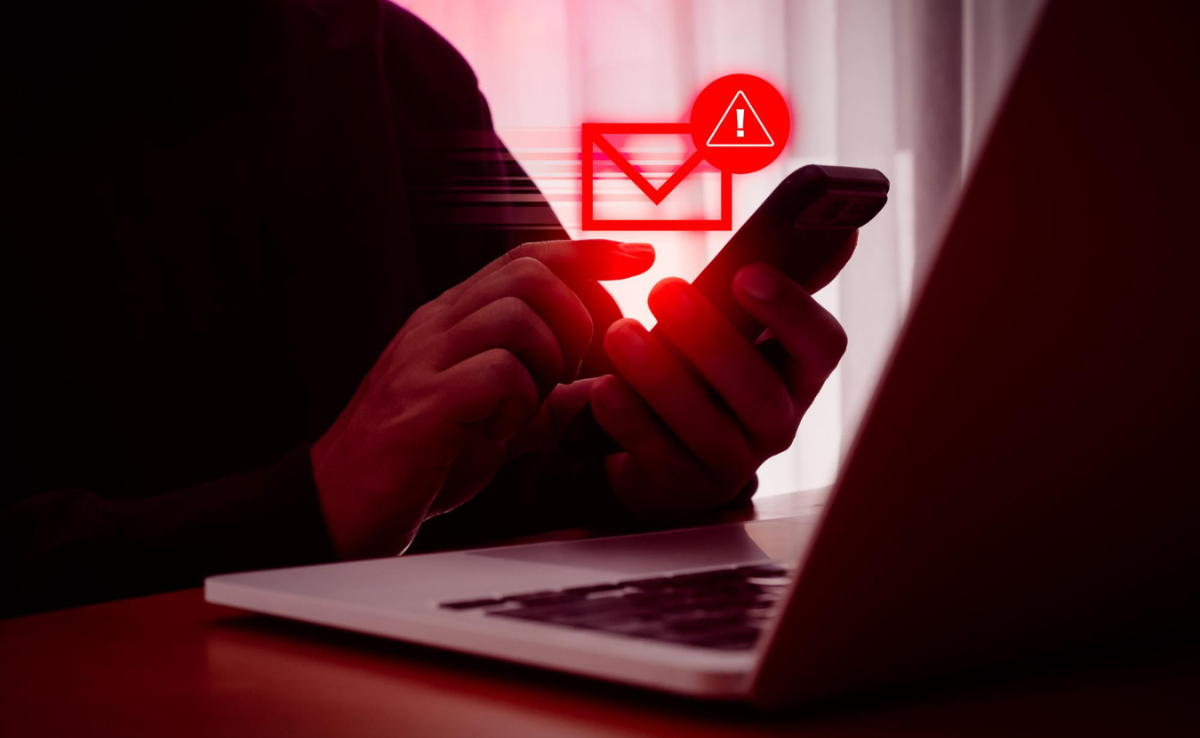
Text message scams are making rapid progress, targeting seniors with short, urgent messages that leave little time to respond. They are very useful; their simplicity and speed often circumvent traditional skepticism, leading to risks and hastiness in action.
Why they work
- Messages produce an immediate sense of urgency
- Brevity discourages prudent thought
- Hyperlinks take you to bad websites
Common examples
- Your case can not be shipped.
- “Suspicious transaction detected.”
- Take your prize here and now
Risk level: Very High and Increasing
Text scams are extremely dangerous for seniors due to the way they appear. They are often informal and emphasize urgency. These messages often bypass suspicion that would prompt immediate responses before authentication. This makes the seniors a common prey to fraud or data theft.
How Seniors and Families Can Stay Protected
To eliminate scams, we begin with awareness and basic daily practices to minimize risk, enhance our choices, and develop a robust first line of defense against manipulators.

Pause Before Acting
Wait before picking up urgent calls, e-mail, or texts, since scammers are primed on pressure, and use a minute to clear your head and prevent an error.
Verify Independently
Never trust suspicious numbers or websites when handling requests. Always use real phone numbers or websites when contacting official organizations.
Avoid sharing sensitive information
Do not provide any information like their passwords, PINs, or banking information over the phone, email, or text, as any valid organization will never demand it.
Stay informed
Stay informed about common scams by following trusted news sources, alerts, and awareness programs, since updated knowledge significantly reduces the chances of falling victim to fraud.
Use scam detection tools
Activate fraud sensors, such as call blockers, spam filters, and security apps, to detect suspicious activity early enough and avoid harmful contact.
Conclusion
No single channel is entirely safe anymore. Phone calls, emails, and text messages all pose serious risks. But with the right support, seniors can stay one step ahead.
That’s where Jortty comes in. Jortty combines AI-powered scam detection with 24/7 tech concierge support, offering a complete safety net for seniors and their families. Contact us today to learn how we can keep you and your family safe, secure, and confident in the digital world!
Frequently Asked Questions
How can seniors quickly verify if a suspicious call or message is legitimate?
Ensure to cross-check the official webpages, do not reply right away, and depend on reputable individuals before acting.
Are scam detection tools difficult for seniors to use daily?
The majority of the tools are developed in a no-frills manner that provides notifications and instructions without knowledge or the need to be monitored.
What should seniors do immediately after realizing they’ve interacted with a scam?
Immediately shut down communications, shut down accounts, report to banks, and report cases to authorities to ensure quicker damage control.